
Chasing Light Along the Lake District Ridges
Welcome to an inspiring journey where craggy skyline paths meet luminous color. This Golden Hour Photography Guide for Lake District Ridge Hikers shows how to time your ascents, shape compelling compositions, and balance safety with artistry. Expect practical tips for Striding Edge sunrises, Catbells sunsets, and weather-wise decisions, all designed to help you return with photographs that shimmer like memory and feel like wind on skin.
Reading the Sun: Timing Golden Moments Above the Fells
Golden hour begins with understanding how light glances across serrated horizons, falls into valleys, and kisses tarns into mirrors. Plan around seasonal sun paths, ridge orientations, and walk-in times, so you crest the skyline exactly as edges glow, shadows stretch, and the landscape reveals soft depth without losing precious minutes to guesswork.
Sunrise Over Striding Edge and Swirral Edge
Arrive early from Glenridding, allowing extra time for careful footing along narrow sections. East-facing angles catch first light that slices across Helvellyn’s shoulders, painting gritstone textures and vapor curls over Red Tarn. Keep shutter speed high for gusty moments, and bracket exposures to balance fiery skies with moody, recessive ridgelines.
Sunset from Catbells and Maiden Moor
The western glow pours over Derwentwater like poured honey, especially when broken cloud shapes scatter highlights across islands and bays. Start from Hawes End to reach Catbells’ crest before the sun drops behind the Newlands Valley. Long lenses compress lake layers, while wide angles celebrate glowing trods guiding viewers toward a radiant horizon.
Seasonal Shifts: Winter Low Arcs, Summer Long Twilights
Winter’s low sun sculpts relief with dramatic shadow play, rewarding short windows but intense gradients; microspikes may be wise. Summer extends twilight, gifting iterative compositions and quieter descents. Track civil and nautical twilight, adapting exposure for cobalt valleys while preserving the delicate warmth lingering on heathered shoulders and wind-etched cairns.
Access and Parking Without Stress
Beat anxiety by confirming lots at Glenridding, Seathwaite, or Hawes End, noting paid hours and alternative lay-bys. A pre-dawn arrival spares frantic pacing, while shuttle or boat options around Derwentwater save energy. Less time worrying about logistics means more time anticipating where the sun will first touch your chosen ridge.
Pacing and Turnaround Times for Safe Descents
Use conservative ascent estimates, then add a generous creative margin for scouting, lens changes, and bracketed sequences. Agree on the latest safe leave-time before darkness engulfs tricky sections. Carry a reliable headlamp and spare batteries, reducing cognitive load so your attention remains on composition as color crests and finally dissolves.
Navigation: OS Maps, GPX, and Ridge Nuances
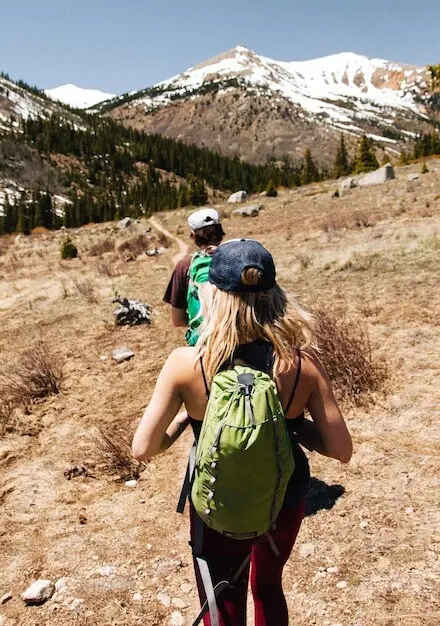
Download GPX tracks, but never neglect OS paper maps for context across corries, cols, and escape gullies. Mark suspected foreground anchors, alternative vantage lumps, and wind-sheltered pockets. Practice night navigation so changing light and cloud caps feel like companions rather than threats, empowering deliberate images during fleeting, transformative minutes.
Camera Bodies and Lenses That Earn Their Weight
A weather-sealed body with excellent dynamic range pairs beautifully with a compact 16–35mm for foreground drama and a 70–200mm for layered telephoto abstracts. Consider a fast 35mm for storytelling flexibility. Prioritize responsive controls, robust batteries, and a strap system that stabilizes while scrambling across airy, rhythmic, wind-tugged crests.
Stability Without Bulk: Tripods and Improvised Support
Ultralight carbon tripods reduce fatigue, but practice leg placement on slanted, grippy rock. When winds bully, lean into your pack, brace against a knoll, or use a small beanbag on cairn stones. A shutter delay and electronic front-curtain reduce vibration, keeping delicate low-angle sunbeams crisp and emotionally convincing.
Compositions That Carry Wind and Stone into the Frame
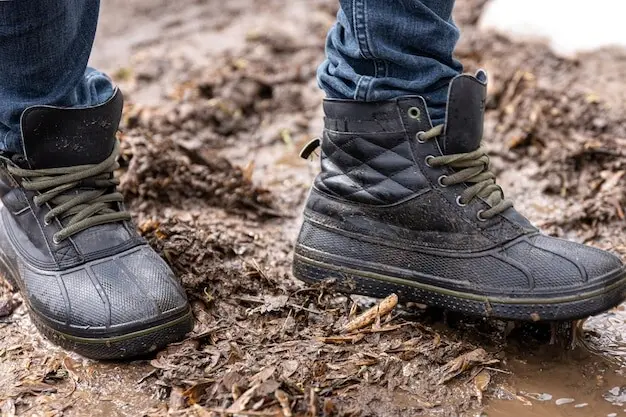
Let viewers feel the airy exposure, crunch of boot on grit, and hush before the valley wakes. Shape depth with deliberate foregrounds, human scale, and sinuous lines guiding the eye from ridge spurs to glowing lakes. Favor simplicity over clutter so golden light reads as mood, not mere spectacle.
Weather Wisdom, Mountain Safety, and Care for Place
The Lake District’s maritime weather turns on a whispered hinge. Read MWIS and Met Office mountain forecasts, then watch clouds in real time. Carry insulation, emergency shelter, and navigational backups. Photograph with reverence: protect fragile paths, greet fellow walkers kindly, and let your images advocate for resilient, thriving uplands.
Spot high cloud for color diffusion, broken cumulus for spotlight drama, and retreating fronts for crystalline air. When cloud caps swallow ridges, pivot to side-light on lower spurs. Celebrate what arrives; a moody sky over Borrowdale often outlives a promised blaze, yielding subtler, more enduring photographs that reward patience.
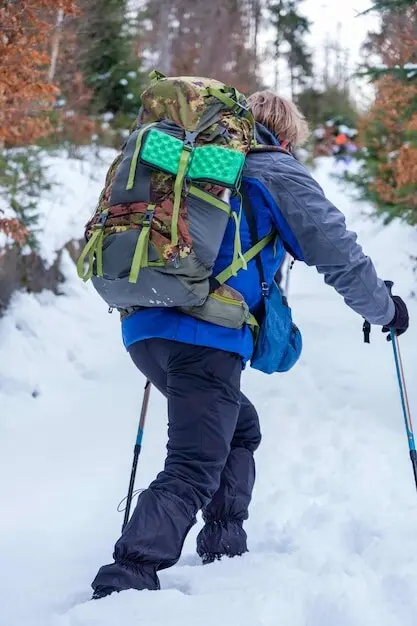
Sharp Edge and Striding Edge demand quiet judgment. Test gusts before stepping onto narrow blocks. If boots slip, step back, reset, or reroute—no image outranks safe return. Communicate with partners using clear, simple calls and accept that turning around sometimes grants a new composition you never meant to find.
Stay on durable surfaces, resist shortcutting zigzags, and protect delicate heather and peat. Pack out litter, including lens-wipe wrappers. Give nesting birds space and patience. Your photographs will echo ethics: when care shapes process, viewers feel welcome in the scene, not merely impressed by its burnished, fleeting light.
From Camera to Glow: Processing with Restraint

White Balance and Harmonious Color at Daybreak and Dusk
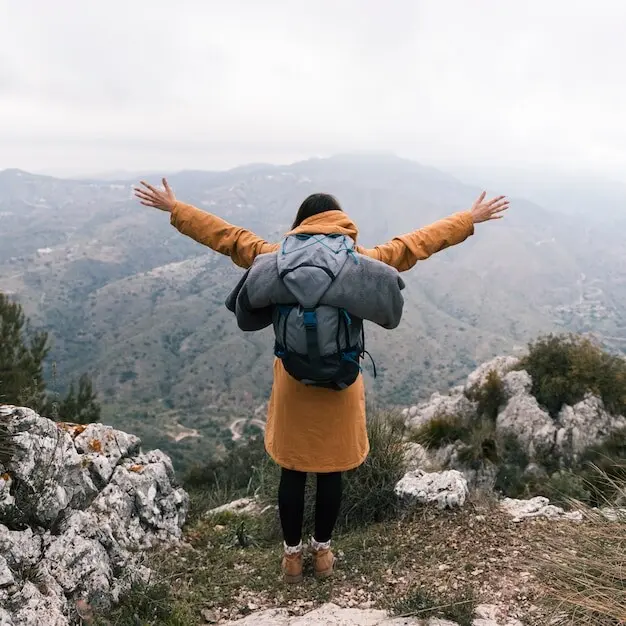
Unlock clean warmth by starting near daylight, then nudging toward golden without contaminating greens. Split-toning with subtle cools in shadows preserves morning crispness. Check skin tones if hikers appear. Compare against a neutral rock and trust field notes, aiming for believable glow rather than viral intensity that quickly tires.
Local Contrast, Dehaze, and Atmospheric Depth
Use micro-contrast to reveal ridge textures, but guard against crunchy halos along horizons. A measured dehaze pass clarifies layered valleys while keeping distant blues romantic. Dodge path highlights to guide the eye gently forward, and burn bright sky corners for compositional containment that sustains attention without shouting for it.
Ethical Edits: Keeping Truth in the Light
Avoid sky swaps, fabricated suns, or erased hikers who belong to the story. Declare composites if necessary, and prefer sequences that honor rapidly evolving light. Your signature emerges through honesty, rhythm, and sensitivity, turning fleeting warmth into photographs that feel trustworthy, generous, and quietly unforgettable long after clicking share.
Join the Ridge-Lit Community
Your voice enriches every sunrise. Share questions, route ideas, and images so others can learn from your experiments, mistakes, and wins. Subscribe for seasonal timing sheets, printable checklists, and micro-challenges. Together we’ll refine craft and celebrate safe, respectful adventures that turn golden edges into stories worth telling twice.
All Rights Reserved.