Before First Light on the High Fells

Set your alarm with confidence as we dive into a safety and gear checklist for pre-dawn ridge walks in the Lake District, built from hard-earned miles on Striding Edge, Sharp Edge, and quieter knobbly spines. Expect practical packing guidance, timing strategies, navigation backups, and emergency know-how tailored to darkness, wind, and wet rock. Keep this as a pre-start ritual, share it with partners, and subscribe for seasonal updates so every first step before sunrise feels deliberate, calm, and ready for beauty rather than risk.

Timing, Route Choice, and Early Start Discipline

Combine the Met Office and MWIS forecasts, but ground-truth them on arrival: cloud height over the col, wind gusts in the car park, temperature on your skin. Note freezing level, wind chill, and precipitation type. If stars vanish or flags snap harder than expected, downgrade the plan before you lock the car, not after committing to the ridge’s first step.
Identify decision points that are visible even in darkness, such as walls, cairns, and major path junctions, and mark escape lines into safer valleys. Pre-select conservative turnaround times tied to light levels and energy, not summit desire. Print or save a small list of grid references for exits, because hesitation loves cold fingers, flustered minds, and batteries that choose the worst moment to die.
Write a simple plan with start time, intended route, alternatives, and latest safe return, then text a reliable contact. Leave a note on the dashboard with car reg and phone number. Agree check-in windows and a rescue trigger. Pack a small pencil to update times on the hill. Communication certainty lowers stress, improves teamwork, and turns conservative choices into proud, confident habits. Drop your favourite route-card templates or check-in scripts in the comments to help others start smarter.

Seeing in the Dark: Light and Navigation That Earns Trust

Darkness forgives little, so treat lighting and navigation as layered systems. Use a dependable headtorch with fresh batteries, carry a second light, and learn red modes to preserve night vision. Pair paper OS mapping with a real compass and a GPS or phone app kept warm. Practice bearing work near drops, handrail along fences, and keep situational awareness richer than any arrow on a screen.

Headtorch Setup That Actually Works at 4 a.m.

Choose a headtorch around 300–500 lumens with a broad flood, a tighter spot for scanning, and an easy lock to prevent pack-activation. Carry spare batteries in a dry bag, plus a tiny backup torch. Use red light for rests to protect vision. Angle the beam lower on misty nights, reducing glare. Remember: light placement and beam discipline beat raw lumens on thin ridges.

Map, Compass, GPS: Redundancy Without Confusion

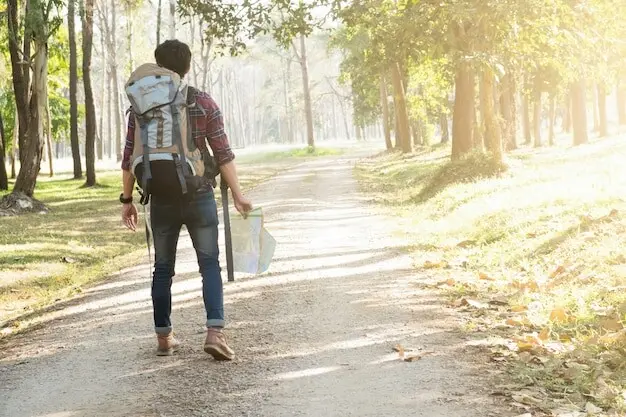
Fold an OS Explorer map to show only what matters and keep it protected but accessible. Set declination once, practice pacing, and trust your compass in wind and doubt. Use GPS sparingly to confirm, not dictate. Record a few waypoints before leaving home. What3words can aid description to rescuers, yet a precise grid reference and clear feature notes remain faster, cleaner, and universally understood.

Night-Navigation Tactics on Edges and Arêtes

Practice short legs between unmistakable features, like a stile to a knoll, rather than long guesses into blackness. In gusts, crouch to take bearings, using poles as bracing. Count steps, feel underfoot texture changes, and cross-check with slope aspect. When a crest narrows, slow deliberately, switch to a tighter beam, and prioritize foot placement over momentum and social-media sunrise urgency.

Base to Shell: Regulate, Don’t Overheat

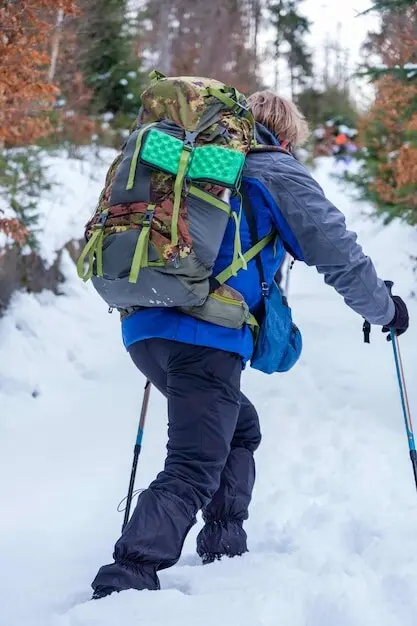
Select wicking merino or synthetic bases to keep sweat off skin, a light fleece or active insulation for steady output, and a waterproof with a real hood and hem drawcords. Vent early to avoid soaking layers. Carry a packable insulated jacket for rests. Zip toggles you can find with gloves save time, heat, and patience when spindrift needles cheeks and breath turns sparkly.

Hands, Head, and Face in Spindrift or Mizzle

Hands and head leak heat fastest when wind finds gaps, so pair dexterous liner gloves with waterproof outers, and stash a spare dry set. A windproof cap or buff under a hood stops heat spirals. In wet gusts or spindrift, protect cheeks with a soft mask. Avoid heavy scarves that trap breath, ice up, and sap warmth while you’re threading boulders.

Emergency Mindset and Compact Kit

Preparation shines when something goes sideways. Carry compact first-aid, a whistle, an orange bivvy or bothy bag, and enough insulation to wait comfortably. Keep your phone warm in an inner pocket with a power bank attached. Know that in the UK you dial 999 or 112, ask for Police, then Mountain Rescue, delivering a clear grid reference and concise incident facts.
Build a kit that treats bleeding, blisters, and sprains: adhesive dressings, zinc tape, gauze, small compression bandage, antiseptic wipes, pain relief you tolerate, and a triangular bandage. Add tick remover in summer and a foil blanket year-round. Pack items in labelled mini-bags. Rehearse using everything with gloves at the kitchen table, because cold fumbles make small problems loom larger.
Keep the phone in airplane mode with periodic checks, and carry a compact power bank plus a short cable that works in gloves. Consider a PLB or satellite messenger if you roam solo or signal-poor valleys. Practice giving grid references aloud. Three whistle blasts repeat until acknowledged. Clear, calm information speeds teams, reduces risk, and protects rescuers who volunteer their nights.
An ultralight bothy bag or emergency bivvy traps warmth fast, blocks wind, and boosts morale during navigational pauses or minor injuries. Pair it with a warm layer and sit pad to slow heat loss. A tiny stove is optional but glorious on bitter mornings. Knowing how to wait well preserves decision-making, turning a setback into patient, professional-feeling mountain travel.

Fuel, Fluids, and Warmth From Within

Energy wanes before dawn unless you bank calories and fluids early. Aim for a simple breakfast you can stomach at silly o’clock, then graze little and often. Pack snacks that open with gloves and won’t shatter teeth in frost. Carry an insulated flask for hot tea or soup, and insulate your water tube so slush doesn’t end your stride.

Pre-Dawn Breakfasts and Stimulants

Test breakfasts on normal days: porridge with honey, banana with nut butter, or a savoury wrap. Caffeine helps, but pair it with water. If nerves kill appetite, sip a sweet drink during the drive. Keep timing generous so digestion starts before the first steep pull. A settled stomach gives patience for nav checks and steadier feet on narrow stone.

Pocket Snacks You Can Open With Gloves

Favour finger-food calories: soft chews, oat bars, filled wraps, and handfuls of nuts, all pre-opened or cut to glove-friendly sizes. Stash them in hip-belt pockets you can reach without stopping. During a still moment, share a treat with partners; morale rises, pace smooths, and choices stay kind, even when wind needles ears and dawn feels slower than promised.

Hot Flasks, Water Treatment, and Cold-Weather Hydration

Insulate bottles in socks or sleeves, flip bite valves upside down to slow freezing, and add electrolytes to encourage sipping. In rain and cold, dehydration hides behind frequent pee stops, so track intake anyway. A small filter earns its keep on longer horseshoes. Hot flasks change moods, fingers, and willingness to pause safely when ridges turn combative.

Wildlife, Access, and Low-Impact Dawn Culture

Pre-dawn travel crosses farms, habitats, and sleeping valleys, so your decisions echo after you pass. Keep dogs close and leashed near livestock, dim beams when homes or tents appear, and step quietly by roosts. In spring, ground-nesting birds need wider berth. Pack out every wrapper and used tape. Seasonal hazards shift quickly: frost, cornices, midges, and persistent ticks.

Respecting Farms, Nests, and Night Quiet

Move softly through gates, following the Countryside Code, and leave them as found. Use lower power near barns, and choose rests away from walls where owls and bats travel. If dogs join, leashes stay on around ewes and lambs. Give birdsong space on heather tops. Poles can clack; rubber tips help. Courteous habits invite friendly chats back at cars.

Seasonal Hazards: Frost, Cornices, Midges, and Ticks

Winter can rim rock with verglas and carve cornices that overhang inviting edges; treat suspicious lips with big margins. Spring thaws unleash slick peat and swollen becks. Summer midge swarms are tamed by headnets and repellent. Year-round, check for ticks after bracken or deer paths. Seasonal awareness turns surprises into routines, reducing drama and keeping focus on joy.

Leave No Trace When No One Is Watching

Pack an extra zip bag for micro-trash, stash used plasters and snack tabs, and pick up a few strays without turning the walk into a litter patrol. Stick to durable surfaces, step around saturated turf, and resist shortcutting corners. Keep voices low when ridges carry sound over valleys. Quiet, tidy passage leaves sunrise magic intact for everyone arriving later. Share your favourite low-impact dawn habits with our community so newcomers inherit care along with inspiration.

Rinomiralaxisentoteli
Privacy Overview

This website uses cookies so that we can provide you with the best user experience possible. Cookie information is stored in your browser and performs functions such as recognising you when you return to our website and helping our team to understand which sections of the website you find most interesting and useful.