First Light on Winter Ridges of the Lake District

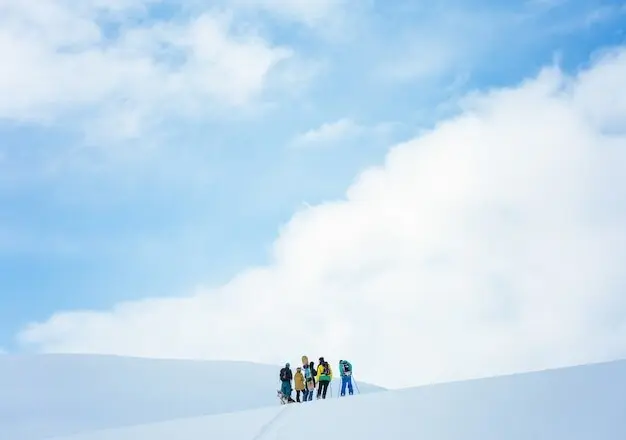
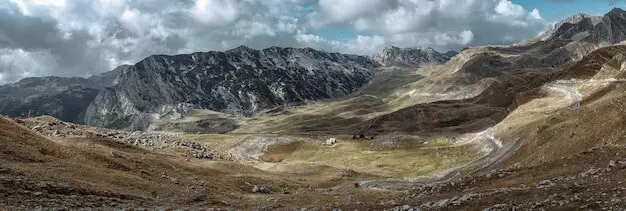
We set out to uncover the best winter ridge walks for catching first light in the Lake District, from frost-rimed arêtes to gentle dawn-friendly spurs. Expect practical timings, safety guidance, and photographer’s tricks, plus heartfelt stories collected on icy mornings above Derwentwater, Ullswater, and Thirlmere. Lace boots, pack a warm flask, and join a sunrise quest where every step meets pink alpenglow and every breath sketches delicate clouds in crystalline air.

Planning for a Frosty Dawn

Work backward from the published sunrise, adding thirty to forty minutes for civil twilight that reveals foot placements without overexposing the sky. In deep winter, allow ninety to one hundred twenty minutes for steeper approaches, a little less for friendlier spurs. Budget time for icy slowdowns, glove changes, and tripod fiddling. Plan to crest the ridge ten minutes before first light, letting breathing settle while you stow headlamps, check layers, and calmly compose those first delicate frames.
A clear forecast matters less if gusts bulldoze balance on exposed crests. Study MWIS and Met Office mountain forecasts for freezing level, wind speed, and cloud base trends, then pick a route that suits the airflow. When gusts threaten forty miles per hour or spindrift stings eyes, consider lower knolls that still catch dawn, or delay departure for a safer window. Flexibility protects joy, fingers, and confidence for the next crystal-bright morning.
Arrive early and park with care in village car parks or signed lay-bys, leaving passing space for tractors and gritting lorries. Keep voices low, headlamps dipped, and doors gently closed to respect sleeping residents. If the nearest spot is full, use the next safe option rather than squeezing. Carry coins or a payment app, and thank landowners when signs request it. Courteous starts set a generous tone for everything that follows on the ridge.

Iconic Ridges for Sunrise

Helvellyn via Striding Edge

A classic narrow crest offers thrilling positions above Red Tarn, but winter requires sharp judgment, an ice axe, and crampons when conditions demand. Many walkers ascend via the Hole-in-the-Wall to meet first light near the edge, then continue to Helvellyn’s plateau. Watch for cornices and hard ice on polished rock, spacing the party and using self-belay. If in doubt, choose Swirral Edge or a gentler option; the sunrise will be generous wherever you stand.

Blencathra via Hallsfell Ridge

This elegant rib rises straight to the summit, granting quick access to sweeping views over the Eden Valley and Skiddaw’s bulk catching peach light. In winter, Hallsfell can feel more secure than Sharp Edge, yet verglas still demands poised footwork. From Threlkeld, start early enough to greet color near the upper slabs, and be prepared for tricky navigation off the top in clag. A measured pace and neat steps keep nerves steady and smiles wide.

Catbells to Maiden Moor

A welcoming option above Derwentwater, this undulating ridge rewards early risers with painterly reflections and forgiving gradients. Begin from Hawse End or Gutherscale, time the crest for first light, and continue toward Maiden Moor if winds allow. Stone steps can glaze with ice, so microspikes provide quiet confidence without overkill. When storms batter higher summits, this line often offers shelter, warmth from movement, and photographic variety that sings in the subtle blues before sunrise.

Safety and Winter Skills

Short daylight and frozen ground magnify small mistakes, yet practiced habits transform risk into rewarding confidence. Rehearse putting on crampons with gloves, plant the axe for self-belay before you truly need it, and keep communication crisp. Assess snowpack on lee slopes, skirt cornices by a respectful margin, and avoid glazed slabs. Agree hand signals, spacing, and rest points in advance. A conservative, curious mindset preserves energy and ensures today’s success fuels tomorrow’s clear, joyful dawn.

Footwork, Axe, and Crampon Basics

Good footwork makes every tool feel lighter. Practice flat-footing with calm, weighted steps, edging only when necessary on firmer ice. Keep the axe ready in the uphill hand, wrist relaxed, pick oriented for immediate self-belay. Fit crampons on gentler ground before the crux, checking straps and anti-balling plates. Small, precise movements reduce slips, conserve heat, and let attention widen toward sky color rather than constant anxiety underfoot.

Cornices, Slabs, and Edges

Wind can sculpt deceptive overhangs where the plateau extends beyond solid ground. Give edges extra room, favouring windward footprints and probing with the axe if uncertain. Watch for thin windslab on lee slopes, especially after rapid loading, and avoid bullet-hard glaze where a fall would accelerate. Keep conversations open about what feels comfortable, refuse herd pressure, and remember the simplest line that preserves fun is the wisest winter choice.


Light, Color, and Lens Choices

Layering and Kit That Works

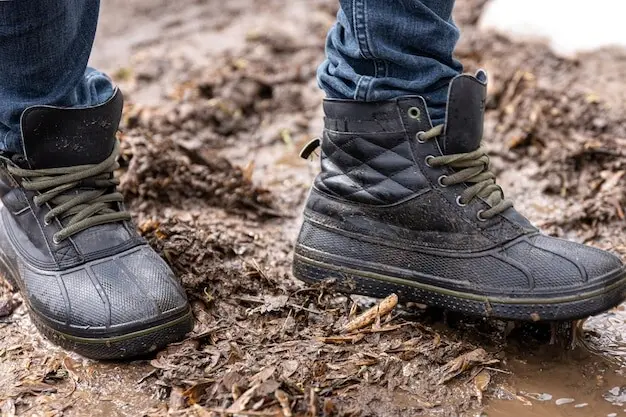
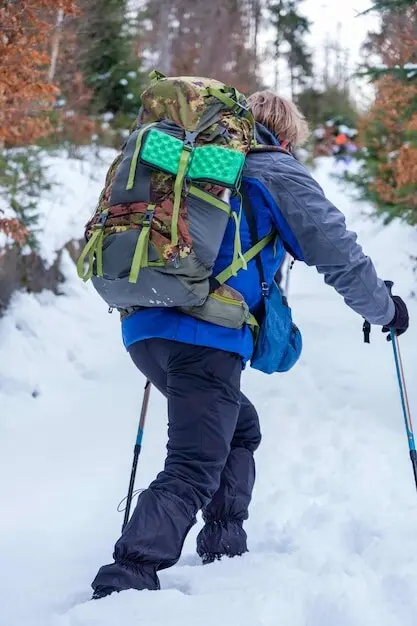
Comfort unlocks creativity. Aim for dry warmth through breathable base layers, insulating mid-layers, and a weatherproof shell that vents uphill effort. Support ankles with reliable boots, pair traction to conditions, and carry a compact sit mat for summit pauses. Build redundancy for light, heat, and navigation, and stash morale boosters like ginger biscuits. When clothing and kit quietly disappear from thought, attention narrows to fragile color skimming frozen ridges and distant valleys.

Map, Compass, and Micro-Navigation

Plot bearings before leaving the car, noting distances, timings, and attack points. Pace and time legs, ticking off micro-features like walls, knolls, and stream crossings. When doubts rise, stop early to relocate rather than drift. In whiteouts, tighten spacing, communicate more, and simplify legs. Good habits feel slow until they save warm minutes for first light, letting maps close while color unfurls softly across snow and sky.

Tech That Helps But Never Leads

GPS watches and phone apps provide reassuring checks, especially in swirling clag, yet battery life collapses in cold. Keep devices warm, download offline maps, and carry a compact battery pack. Treat tracks as confirmation rather than steering; the compass still decides. Tidy waypoints named for decision points reduce scrolling. With redundancy in tools and skills, you move efficiently without surrendering judgment to a blue dot on glass.

Escape Routes and Bail-Out Logic

Pre-plan simple descents to valleys, cols, or bridleways that avoid steep gullies and icy slabs. Note safe bearings off summits where paths braid or cairns hide, and write them clearly on a card. Identify points where turning back still delivers beauty—lower knolls, woodland edges, or frozen shorelines. This mindset reframes retreat as success, preserving energy, warmth, and cheer while dawn light still brushes nearby hillsides with quiet grace.

Navigation When Darkness Clings

Ridges at dawn can blur into grey-on-grey where footprints vanish and horizons hide. Strong navigation protects sunrise minutes from anxious wandering. Build leg-by-leg bearings between obvious features, pre-load GPX as a quiet check, and practice relocating when clag swallows cairns. Write escape notes your future, colder self can trust. Clear, shared plans transform changing weather into an orderly pivot rather than a gamble with limited winter daylight.

Community, Stories, and Stewardship

Shared dawns knit a gentle community, from nods exchanged in headlamp beams to thermos swaps by sheltered cairns. Celebrate stories, recommend car parks, and discreetly keep fragile corners quiet. Offer photos, tips, and honest conditions, then invite others to add wisdom below. Consider donating to mountain rescue and tread softly on paths. Connection, gratitude, and care make winter ridges brighter than any single sunrise flaming above frosted valleys.
Rinomiralaxisentoteli
Privacy Overview

This website uses cookies so that we can provide you with the best user experience possible. Cookie information is stored in your browser and performs functions such as recognising you when you return to our website and helping our team to understand which sections of the website you find most interesting and useful.