

Before First Light on the High Fells
Timing, Route Choice, and Early Start Discipline
Seeing in the Dark: Light and Navigation That Earns Trust
Headtorch Setup That Actually Works at 4 a.m.
Choose a headtorch around 300–500 lumens with a broad flood, a tighter spot for scanning, and an easy lock to prevent pack-activation. Carry spare batteries in a dry bag, plus a tiny backup torch. Use red light for rests to protect vision. Angle the beam lower on misty nights, reducing glare. Remember: light placement and beam discipline beat raw lumens on thin ridges.
Map, Compass, GPS: Redundancy Without Confusion
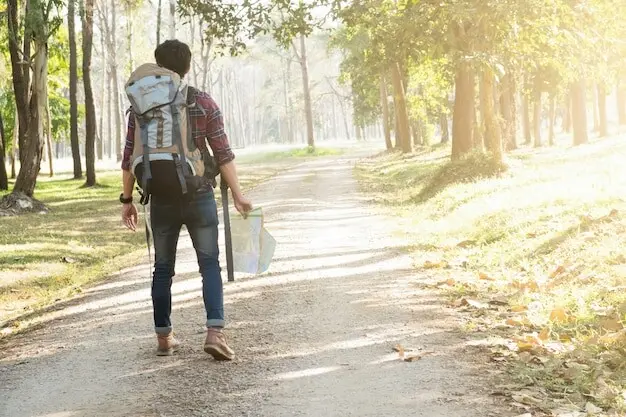
Fold an OS Explorer map to show only what matters and keep it protected but accessible. Set declination once, practice pacing, and trust your compass in wind and doubt. Use GPS sparingly to confirm, not dictate. Record a few waypoints before leaving home. What3words can aid description to rescuers, yet a precise grid reference and clear feature notes remain faster, cleaner, and universally understood.
Night-Navigation Tactics on Edges and Arêtes
Practice short legs between unmistakable features, like a stile to a knoll, rather than long guesses into blackness. In gusts, crouch to take bearings, using poles as bracing. Count steps, feel underfoot texture changes, and cross-check with slope aspect. When a crest narrows, slow deliberately, switch to a tighter beam, and prioritize foot placement over momentum and social-media sunrise urgency.
Base to Shell: Regulate, Don’t Overheat
Hands, Head, and Face in Spindrift or Mizzle
Emergency Mindset and Compact Kit
Fuel, Fluids, and Warmth From Within
Pre-Dawn Breakfasts and Stimulants
Test breakfasts on normal days: porridge with honey, banana with nut butter, or a savoury wrap. Caffeine helps, but pair it with water. If nerves kill appetite, sip a sweet drink during the drive. Keep timing generous so digestion starts before the first steep pull. A settled stomach gives patience for nav checks and steadier feet on narrow stone.
Pocket Snacks You Can Open With Gloves
Favour finger-food calories: soft chews, oat bars, filled wraps, and handfuls of nuts, all pre-opened or cut to glove-friendly sizes. Stash them in hip-belt pockets you can reach without stopping. During a still moment, share a treat with partners; morale rises, pace smooths, and choices stay kind, even when wind needles ears and dawn feels slower than promised.
Hot Flasks, Water Treatment, and Cold-Weather Hydration
Insulate bottles in socks or sleeves, flip bite valves upside down to slow freezing, and add electrolytes to encourage sipping. In rain and cold, dehydration hides behind frequent pee stops, so track intake anyway. A small filter earns its keep on longer horseshoes. Hot flasks change moods, fingers, and willingness to pause safely when ridges turn combative.
Wildlife, Access, and Low-Impact Dawn Culture
Respecting Farms, Nests, and Night Quiet
Move softly through gates, following the Countryside Code, and leave them as found. Use lower power near barns, and choose rests away from walls where owls and bats travel. If dogs join, leashes stay on around ewes and lambs. Give birdsong space on heather tops. Poles can clack; rubber tips help. Courteous habits invite friendly chats back at cars.
Seasonal Hazards: Frost, Cornices, Midges, and Ticks
Winter can rim rock with verglas and carve cornices that overhang inviting edges; treat suspicious lips with big margins. Spring thaws unleash slick peat and swollen becks. Summer midge swarms are tamed by headnets and repellent. Year-round, check for ticks after bracken or deer paths. Seasonal awareness turns surprises into routines, reducing drama and keeping focus on joy.
Leave No Trace When No One Is Watching
Pack an extra zip bag for micro-trash, stash used plasters and snack tabs, and pick up a few strays without turning the walk into a litter patrol. Stick to durable surfaces, step around saturated turf, and resist shortcutting corners. Keep voices low when ridges carry sound over valleys. Quiet, tidy passage leaves sunrise magic intact for everyone arriving later. Share your favourite low-impact dawn habits with our community so newcomers inherit care along with inspiration.
All Rights Reserved.